
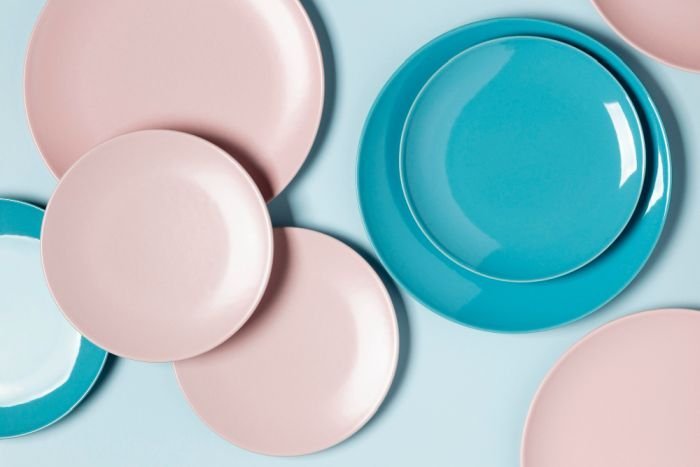
They are colorful, virtually unbreakable, and perfect for outdoor barbecues and kids’ parties. Melamine tableware is a staple in millions of kitchens worldwide.
But a growing number of health-conscious consumers are asking a critical question: Are these bright dishes actually safe for my family?
The short answer is yes—but only if you use them correctly. While melamine is highly durable, it behaves differently than glass or ceramic when exposed to everyday kitchen conditions.
If heated incorrectly, this popular material can degrade and release trace chemicals into your meals.
Here is exactly what you need to know about the science, the safety limits, and how to use your favorite dishes without risking your health.
So grab a cup of coffee (in a regular mug, not a melamine one — we’ll explain why later) and let’s dive in.
What Is Melamine, Anyway?
Before we get into the dangers, let’s talk about the material. What is melamine dinnerware made from? Melamine is a hard, organic compound that is combined with formaldehyde (!) and pressed under heat to form a rigid, plastic-like resin. Manufacturers then mold that resin into plates, bowls, cups, and trays.
Can melamine be considered plastic? Sort of, but not exactly. It’s technically a thermoset plastic, meaning once it’s molded and cured, it won’t melt back down as a plastic water bottle would. Melamine feels much sturdier than your average plastic picnic set.
And what does “100% melamine” mean on a product label? It means the dish is made purely from melamine resin, without cheaper fillers like wood flour or bamboo powder mixed in. We’ll explain why this is important in the safety section below.
The Real Question: Is Melamine Tableware Toxic?
Something that is not sufficiently explained to consumers is that the melamine sitting on your shelf is not dangerous. But the danger can appear under certain conditions – and it is mainly heat.
Can melamine get into food? Significant amounts of melamine can be found in food only when it is exposed to high heat, especially from acidic or fatty foods. At room temperature or from cold and lukewarm food, leaching is minimal and is considered safe by food safety agencies.
What are the health risks of melamine exposure? In high doses, melamine has been linked to kidney damage. That’s why the question “is there a link between melamine dinnerware and kidney problems” is so often asked. Let’s be clear: normal, occasional use of good-quality melamine dinnerware for everyday meals is not going to send you to the nephrologist. The problem is constant, high exposure – the kind you would get from constantly heating hot, acidic foods in melamine in a microwave or using it daily for very hot beverages for years.
Are there FDA or EU regulations for melamine tableware? Yes. Both the U.S. Food and Drug Administration and the European Food Safety Authority set migration limits — essentially, caps on how much melamine is allowed to transfer into food under specific test conditions. Reputable brands test against these standards. This is a good reason to buy from established manufacturers rather than untested items from discount stores.
The Heat Problem: Why Your Microwave and Melamine Don’t Get Along
This is the big one. If there’s one rule to memorize from this entire article, it’s this:
Melamine and high heat are not friends.
Are melamine dishes microwave-safe? Nope — not for heating food. Melamine doesn’t absorb microwaves the way glass or ceramic does, but the food on the plate heats up, and that heat transfers into the melamine surface. Combine that with acidic foods (tomato sauce, citrus, vinegar-based dressings), and you get increased leaching of melamine compounds into your dinner.
What happens if you microwave melamine dishes? Microwave heating is not good for melamine dishes either. With prolonged or high exposure, the material may warp, change color, or develop a rough, degraded surface – a sign that the resin is breaking down.
Can you put melamine plates in the oven? Also no. Ovens run far hotter than melamine can handle, and there’s no exception here — “oven-safe” melamine doesn’t really exist for standard consumer dinnerware.
Does melamine melt or warp with heat? It won’t melt into a puddle the way soft plastics do (remember, it’s a thermoset), but it will warp, crack, or scorch at oven temperatures.
What temperature can melamine dishes withstand? Most quality melamine is rated for continuous use up to around 160–212°F (70–100°C). That covers hot coffee, tea, or soup straight out of the pot — but not the inside of a 350°F oven or a microwave running on high for five minutes.
Is it safe to serve hot food on melamine dishes? Yes, serving is the key word. Plating up hot soup or a fresh-off-the-stove stir fry is fine because the exposure is brief and the temperatures involved are within melamine’s comfort zone. The danger creeps in with prolonged, direct heating — not a quick serve-and-eat.
Cracks, Scratches, and Why They Matter
Can cracked or scratched melamine dishes be problematic? Yes, and this is the sneaky one. A scratch or crack does two things:
- It creates more surface area where heat and moisture can interact with the resin.
- It gives bacteria a cozy little groove to hide in, since scratches are much harder to clean thoroughly.
If your once-smooth melamine bowl now looks like it survived a cheese grater, it’s time to retire it — no matter how much you love the pattern.
Melamine, Ceramic, Porcelain, and Plastic: How Do They Stack Up?
What is the difference between melamine, ceramic, and porcelain? And how does melamine compare to plastic dinnerware? Let’s solve this using a comparison.
| Feature | Melamine | Ceramic | Porcelain | Standard Plastic |
|---|---|---|---|---|
| Material | Melamine resin (thermoset plastic) | Clay, fired at moderate heat | Refined clay, fired at very high heat | Petroleum-based plastic (PP, PS, etc.) |
| Microwave-safe | No | Usually yes | Usually yes | Depends on type; check label |
| Oven-safe | No | Often yes (check glaze) | Often yes | No |
| Break resistance | Excellent | Moderate; chips and cracks | Good, but can chip | Good, but scratches easily |
| Weight | Light | Heavier | Medium | Very light |
| Heat retention | Poor (food cools faster) | Good | Good | Poor |
| Best for | Outdoor meals, kid parties, casual dining | Everyday indoor dining, baking | Formal dining, fine tableware | Storage, cold food, single use |
| Longevity | Years, with care | Years, if handled gently | Decades, if handled gently | Months to a couple of years |
So, how does melamine compare to ceramic or porcelain in durability? Melamine wins on impact resistance, hands down — you can drop it or toss it in a cooler without problems. Ceramic and porcelain, meanwhile, win on heat tolerance and longevity, assuming they don’t take a tumble onto tile.
How to Use Melamine Tableware Safely
- Never microwave them. High heat causes the plastic to break down and leak chemicals into your food.
- Skip the oven. Melamine cannot withstand baking or roasting temperatures.
- Avoid boiling liquids. Do not use these bowls to serve piping hot soups or stews.
- Limit acidic foods. Tomatoes, citrus, and vinegar can increase chemical leaching when warm.
- Check the dishwasher. Use the top rack only to avoid the intense heat of the bottom heating element.
- Hand-wash gently. Avoid abrasive scrubbing pads that can scratch the surface.
- Toss damaged pieces. Throw away any plates that are chipped, cracked, or heavily scratched.
- Use for cold foods. Keep these dishes for sandwiches, salads, snacks, and cold desserts.
Practical Everyday Use: Where Melamine Truly Shines
Are melamine dishes good for outdoor use? Absolutely — this is melamine’s home turf. Picnics, patios, poolside lunches, camping trips: anywhere breakage is a real risk, melamine is the practical pick.
Do melamine dishes retain heat or cold well? Not particularly. Melamine is a poor insulator compared to ceramic, so hot food cools faster and cold food warms up faster on melamine. Handy if you’re worried about scalding little hands; less handy if you wanted your soup to stay steaming through a long dinner conversation.
Can you use melamine dishes for cold desserts and salads? Yes, without hesitation. Cold and room-temperature foods are melamine’s comfort zone.
Are melamine dishes good for serving acidic foods like tomatoes or citrus? Serving briefly, yes. Storing acidic leftovers on melamine for hours or reheating them on it is less ideal — pair acidic dishes with a quick serve-and-clear approach rather than long-term exposure.
Dishwasher, Detergent, and Keeping Melamine Looking New
Should I hand wash or use a dishwasher for melamine? Both work, but hand washing extends the dish’s life and appearance. If you do use a dishwasher, place items on the top rack, away from heating elements.
What detergents are safe for melamine dinnerware? Mild, non-abrasive dish soap is your best friend here. Skip bleach-based cleaners and anything labeled “heavy-duty degreaser” — they can dull the surface over time.
How do you remove stains from melamine dishes? A paste of baking soda and water, left to sit for a few minutes before a gentle scrub, lifts most stains without scratching the surface.
How do you prevent scratches on melamine plates? A few simple habits go a long way:
- Use silicone or wooden utensils instead of metal.
- Stack plates with a soft cloth or paper towel between them.
- Avoid abrasive scrubbing pads — a soft sponge is plenty.
How Long Do Melamine Dishes Actually Last?
How long do melamine dishes last? With reasonable care, quality melamine dinnerware can last several years of regular use.
Do melamine dishes chip or crack easily? Not easily, but it’s not indestructible either. A hard drop onto concrete or years of scratching and heat exposure will eventually take a toll. Once you see cracking, deep scratching, or a dull, worn-out surface, that’s a sign to replace the piece.
Buying Smart: What to Look For
What are the best melamine dinnerware brands? Look for established kitchenware brands with a track record of food-safety testing and transparent material sourcing rather than unbranded imports with no documentation.
How do I choose safe, high-quality melamine dishes? A few checkpoints:
- Look for “100% melamine” on the label. Blended or filler-heavy resins are more likely to be lower quality and less predictably safe.
- Check for FDA or EU compliance markings. These indicate the product has been tested against migration limits.
- Avoid suspiciously cheap sets. If the dishes are very cheap, fillers were probably used in the production.
- Feel the weight and finish. Quality melamine feels dense and smooth, not thin or flexible.
What should I look for when buying melamine tableware? Beyond safety certifications, consider your actual use case — outdoor dining calls for brighter, thicker pieces, while everyday indoor use might favor a more refined, lightweight design.
Storage, Recycling, and Saying Goodbye
How should I store melamine dishes to avoid warping? Store them flat, avoid stacking heavy items on top, and keep them away from direct heat sources like stovetops or sunny places, since prolonged heat exposure can gradually warp thin pieces.
Can melamine dishes be recycled? Generally, no — standard curbside recycling programs don’t accept melamine because it’s a thermoset plastic that doesn’t break down or reprocess like recyclable plastics.
What are the best practices for extending the life of melamine dishes? Let’s bring it all together:
- Never microwave or oven-bake on melamine. Serve hot food; don’t cook or reheat on it.
- Retire cracked or heavily scratched pieces. They’re harder to clean and more prone to leaching.
- Hand wash when possible, using mild detergent and soft sponges.
- Store away from direct heat and sunlight to prevent warping.
- Buy 100% melamine from reputable brands with safety certifications.
- Limit prolonged contact with hot, acidic foods. Quick serving is fine; hours-long exposure isn’t ideal.
The Bottom Line
Melamine dishes earn their popularity — they’re durable, bright, and budget-friendly. The danger isn’t in owning them; it’s in misusing them. Keep them out of the microwave and oven, retire the cracked ones, and buy quality over quantity, and your melamine kitchenware will serve you well for years.

About the Author
Hi, I’m the creator of Two Tiny Spoons. I am a retired researcher who has spent over 10 years obsessing over cookware materials, food safety, and manufacturing standards. I don’t care about fancy recipes—I care about the science behind the tools we use. I independently vet every product to ensure it is non-toxic, durable, and truly worth your money.