
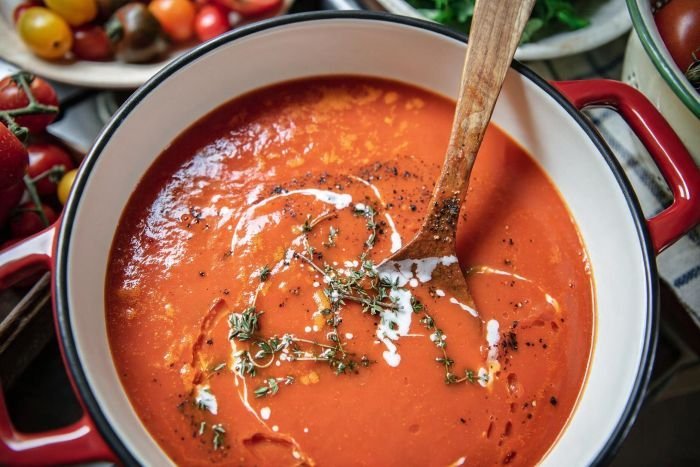
Have you ever made a big pot of tomato sauce, tasted it, and thought, “Why does this taste kind of… metallic”? You don’t imagine it. That strange metallic taste usually means that your food and the cookware you cooked it in don’t get along well.
Acidic ingredients like tomatoes, vinegar, wine and citrus are wonderful in the kitchen. But these ingredients are picky about what they’re cooked in. Choose the wrong pan and you can end up with off-flavors, lackluster sauce or even a damaged pan. Choose the right one and your food will taste exactly as it should.
This guide walks you through the best cookware for pickling, which cookware to avoid, and why.
Why Acidic Food and Cookware Don’t Always Get Along
Here’s a simple answer: some metals react with acid. When this happens, small amounts of that metal can leach into your food. This is usually not dangerous in small amounts, but it can:
- Give your food a metallic or “off” taste
- Change the color of your sauce
- Wear down your cookware faster over time
Cookware that does is called reactive. Cookware that doesn’t do this is called non-reactive. That’s basically it.
How to Tell If a Pan Is Reactive or Non-Reactive
You don’t need a chemistry degree for this. Here’s a quick and dirty way to think about it:
| Material | Reactive? | Safe for acidic food? |
|---|---|---|
| Stainless steel | No for short time cooking | Yes for short time cooking |
| Enameled cast iron | No | Yes |
| Glass | No | Yes |
| Ceramic (fully coated) | No | Yes |
| Bare cast iron | Yes (especially if under-seasoned) | No |
| Carbon steel | Yes | No |
| Aluminum (uncoated) | Yes | No |
| Copper (uncoated) | Yes | No |
A good rule of thumb: if the metal is exposed and shiny like raw aluminum or copper, or if it’s bare cast iron, treat it as reactive. If it’s coated in enamel, glass, or made of stainless steel, you’re generally in the clear.
The Best Cookware for Acidic Food, Ranked
Let’s get into the actual recommendations, starting with the top picks.
1. Stainless Steel Cookware for Acidic Food
Stainless steel is the leading material in the kitchen, and for good reason. It’s durable, doesn’t react with acid, and it’s easy to find at every price point.
Why it’s safe for acidic foods: Stainless steel is an alloy made mostly of iron, chromium, and nickel. That layer of chromium forms a protective barrier that prevents acid from reaching the metal underneath. When you read “safe,” keep in mind that this refers to relatively short cooking times of acidic foods in a steel pan. Long cooking times and long storage of acidic foods in a steel pan are not recommended.
Is Stainless Steel 100% Non-Reactive?
Almost, but not entirely. High-quality, food-grade stainless steel (usually labeled 18/8 or 18/10) is extremely resistant to acid and considered safe for everyday cooking. In rare cases, very long cooking times with highly acidic ingredients can cause trace amounts of nickel or chromium to leach out, but the amounts are so small they’re not considered a health concern for most people. If you have a nickel allergy, that’s the one exception worth talking to your doctor about. For many people, this would be enough to look for a safer alternative.
2. Enameled Cast Iron for Tomato Sauce
Why it works: The interior of enameled cast iron cookware is coated in vitreous porcelain enamel—essentially a powdered glass layer melted and fused to the iron at temperatures exceeding 1,400°F. This creates an impenetrable barrier that blocks acidic ingredients from contacting raw iron. The cast iron gives you heat retention that’s hard to beat, but the enamel coating means the acidic food never actually touches the iron. You get slow, even simmering without any metallic taste.
Best for:
- Slow-simmered tomato sauce
- Braises with wine or tomatoes
- Soups with a splash of vinegar or lemon
This is genuinely one of the best options for anyone who makes a big batch of sauce on a lazy Sunday. It holds heat beautifully, so your sauce simmers gently instead of scorching.
3. Glass Cookware for Acidic Food
Glass is about as non-reactive as it gets. It won’t react with anything, ever, because it’s essentially inert.
Best for:
- Baking acidic casseroles
- Marinating and cooking in the same dish
- Storing leftover sauce (no weird taste, no stains)
The downside is glass isn’t great for high-heat stovetop searing, and it can crack with sudden temperature changes. Think of it as your reliable option for the oven, not your go-to for a hot stovetop sear.
4. Ceramic Cookware for Acidic Food
Ceramic-coated pans (the ones marketed as “non-toxic” or “PTFE-free”) are another non-reactive choice.
Best for:
- Everyday cooking with tomatoes, citrus, or wine
- People looking for non-stick without the traditional Teflon coating
Just know that ceramic coatings can wear down over time, especially with metal utensils or high heat. Once the coating starts to chip, its non-reactive protection goes with it.
What Is the Single Best Pot for Slow-Simmered Tomato Sauce and Ragù?
f you want one straightforward answer: a heavy enameled cast iron pot is hard to beat for slow-simmered sauces and ragù. It heats evenly, holds its temperature for hours, and the enamel keeps your sauce bright red instead of turning a dull brownish-gray.
If budget is a bigger factor, enameled steel cookware is your next best bet. It won’t hold heat quite as long, but it’s non-reactive, easy to clean, and typically cheaper than enameled cast iron.
Can You Cook Tomato Sauce in a Seasoned Cast Iron Skillet?
Technically, yes — but it’s not ideal. A well-seasoned cast iron skillet has a layer of polymerized oil protecting the metal, which does offer some buffer against acid. However:
- Long, slow simmering with tomatoes can gradually break down that seasoning
- Your sauce may pick up a faint metallic taste, especially in a newer or thinly-seasoned pan
- Repeated acidic cooking can leave your skillet looking dull or patchy
The practical takeaway: a quick tomato-based sauté in a well-seasoned skillet is usually fine. A three-hour simmer of marinara is asking for trouble.
Cooking Acidic Food in Carbon Steel
Carbon steel behaves a lot like cast iron here. It’s seasoned the same way, and that seasoning layer offers similar limited protection.
Can You Cook Lemon in Carbon Steel?
A quick squeeze of lemon at the end of cooking — like finishing a piece of fish — is generally fine, especially on a well-seasoned pan. But actually simmering lemon juice or wine for an extended time in carbon steel isn’t a great idea. It can strip the seasoning and leave a sour, metallic edge to your food.
What Should You Do If an Acidic Sauce Accidentally Stripped Your Pan’s Seasoning?
This happens to everyone eventually. Here’s how to fix it:
- Clean the pan thoroughly with warm water and a little soap (yes, it’s fine this one time).
- Dry it completely on the stove over low heat to prevent rust.
- Apply a thin layer of oil — vegetable, canola, or flaxseed oil all work well.
- Bake it upside down in a 450–500°F oven for about an hour to re-polymerize the oil into a new seasoning layer.
- Repeat once more if the surface still looks patchy.
Your pan will be back to ideal condition, ready for anything but a marathon tomato simmer.
Cooking Acidic Food in an Aluminum Pan
This is one to be genuinely cautious about.
Is Hard-Anodized Aluminum Safe for Acidic Foods?
Yes, and this is an important distinction. Hard-anodized aluminum goes through a process that hardens the surface and seals it, making it far more resistant to acid than plain, uncoated aluminum. Most hard-anodized cookware is safe for tomato sauce, citrus, and vinegar-based dishes.
Uncoated, bare aluminum, on the other hand, is a different story.
Why Does Tomato Sauce Taste Metallic in an Aluminum Pan?
Bare aluminum reacts with acid fairly easily. When you simmer tomato sauce in an uncoated aluminum pot, tiny amounts of aluminum can dissolve into the sauce. This is what causes that sharp, metallic taste — and it can also turn your sauce a slightly grayish color.
The fix: stick with hard-anodized aluminum or anodized non-stick pans, not the shiny, bare aluminum pots you might find at a budget store.
Non-Toxic Cookware for Acidic Ingredients: What to Look For
If you’re specifically shopping for non-toxic cookware for acidic ingredients, keep this shortlist in mind:
- Stainless steel – the most versatile, budget-friendly option for short-term cooking of acidic foods.
- Enameled cast iron – best for slow simmering and big batches
- Ceramic-coated pans – good for everyday non-stick cooking without PTFE
- Glass bakeware – ideal for oven-based acidic dishes
Avoid uncoated aluminum, uncoated copper, and heavily worn non-stick pans with scratched coatings.
Quick Reference: Safe Pots for Boiling Vinegar and Tomato
| Cooking task | Best pot to use |
|---|---|
| Boiling vinegar for pickling | High quality stainless steel or glass |
| Simmering tomato sauce for hours | Enameled cast iron |
| Quick tomato sauté | Stainless steel or well-seasoned cast iron |
| Poaching fruit in citrus juice | Stainless steel or enameled cast iron |
| Baking a tomato-based casserole | Glass or ceramic bakeware |
The Bottom Line
If you cook a lot of tomato sauce, vinegar-based dishes, or anything with a good squeeze of lemon, your best bet is a non-reactive saucepan made from enameled cast iron. It’s reliable, it won’t mess with your food’s flavor, and it will last for years if you take care of it.
Cast iron and carbon steel can still play a role in your kitchen — just save them for quick acidic cooking rather than long simmers. And if you’re using aluminum, make sure it’s hard-anodized, not bare.
Let your tomatoes, your wine, your lemon, and your vinegar taste like exactly what they are — bright, sharp, and delicious.

About the Author
Hi, I’m the creator of Two Tiny Spoons. I am a retired researcher who has spent over 10 years obsessing over cookware materials, food safety, and manufacturing standards. I don’t care about fancy recipes—I care about the science behind the tools we use. I independently vet every product to ensure it is non-toxic, durable, and truly worth your money.