
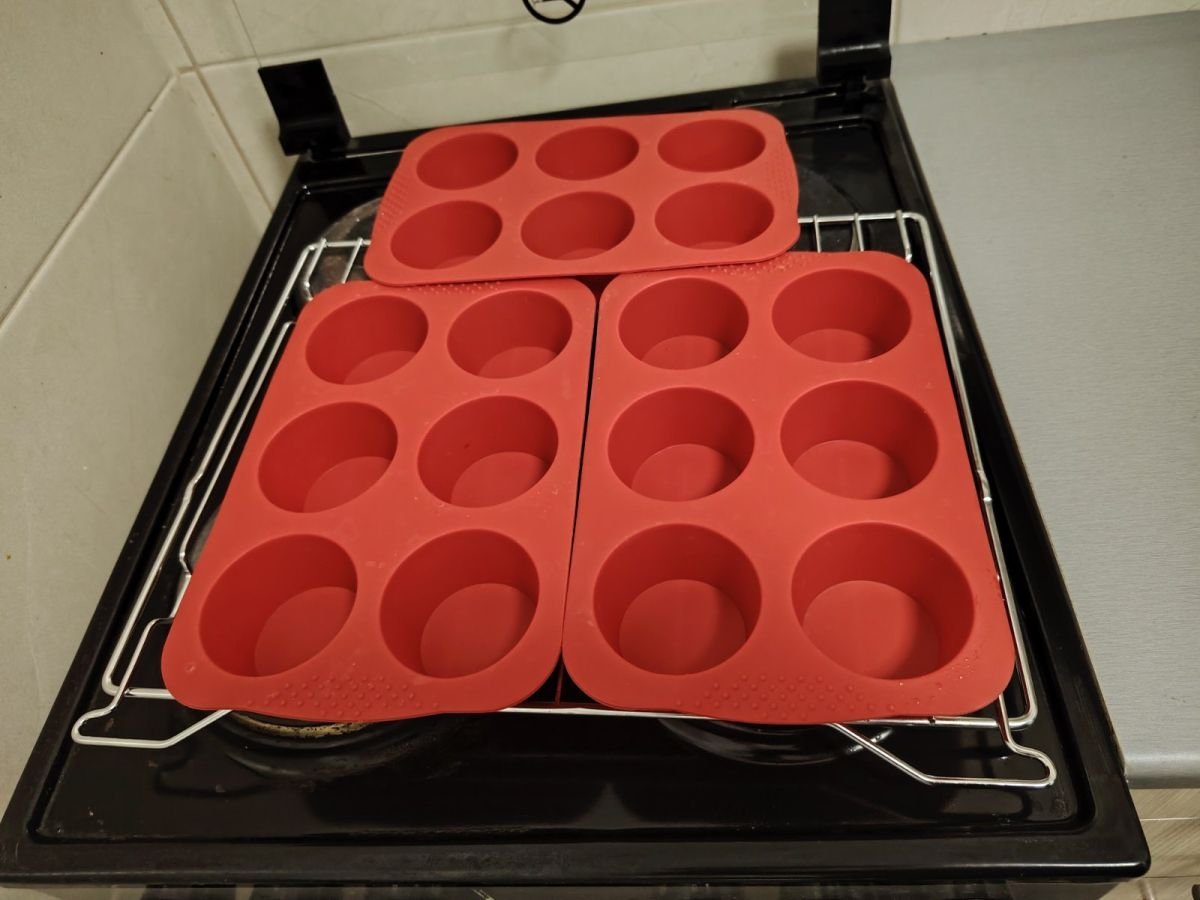
Today I’m writing about the type of dishes in my kitchen that I’m extremely happy with. The reasons for this are that it has truly nonstick properties, that makes easier to remove the baked goods, does not require oiling, and therefore greatly simplifies washing and the overall amount of work involved in preparing the pastry and cleaning it after baking.
Ever wrestled a stuck muffin out of a metal pan, only to watch the top stay behind? It’s the kind of small kitchen disaster that makes you want to throw the whole pan in the trash.
That’s where a silicone muffin pan comes in. It bends, it pops out your bakes in one piece, and it rinses clean in seconds. But it also behaves a little differently from the metal pans you grew up with, so a few tips go a long way.
Are Silicone Muffin Pans Good?
Short answer: yes, for most home bakers. Are silicone muffin pans good for everyday use? They are, as long as you buy a decent one and handle it the right way.
Here’s what people tend to love:
- Muffins release with a gentle push from the bottom
- No need for paper liners (though you can still use them)
- Easy to store because the pan is flexible
- Works for freezing, baking, and even egg bites
- Usually lasts for years
And here’s the not-so-fun side:
- The pan is floppy, so it can spill when you carry it
- Browning is lighter than with metal
- Cheap pans can smell or feel sticky
Honestly, the floppiness is the biggest complaint, and it has an easy fix. I’ll cover that below.
Silicone Texas Muffin Pan 6-Cups (Amazon)
Are Silicone Muffin Pans Safe for Baking?
This is the question I get asked most. Silicone muffin pans for baking are considered safe when they’re made from food grade silicone and used within the temperature limit.
What is food grade silicone? It’s silicone made to meet food-contact standards, such as those set by the U.S. FDA. It’s stable at normal baking temperatures and doesn’t react with your batter.
Do silicone muffin pans release chemicals when heated? Good quality ones don’t, as long as you stay within the temperature limit on the label. Cheap pans made with fillers are the ones to worry about. If you bend a pan and see white streaks, that’s a filler, and it’s a red flag. Pinch the silicone. Pure silicone keeps its color. Fillers turn it white.
Are silicone muffin pans BPA free? Silicone isn’t made with BPA to begin with, but many brands also print “BPA free” on the label for peace of mind. Look for that.
Silicone Muffin Pan 6-cups, Red (Amazon)
What Is Platinum-Cured Silicone?
You’ll see this phrase on better pans. Platinum-cured silicone is made using a platinum catalyst instead of peroxide. It’s generally considered purer and more stable, and it tends to have less smell.
Does it matter for muffin pans? A little. It’s not a must-have, but it’s a good sign of a quality product. If two pans cost about the same, I’d pick the platinum-cured one.
Silicone Muffin Pan vs Metal Muffin Pan
Here’s a quick side-by-side so you can see how they stack up.
| Feature | Silicone Muffin Pan | Metal Muffin Pan |
|---|---|---|
| Release | Very easy, flexes out | Needs grease or liners |
| Browning | Lighter, softer edges | Deeper, crispier edges |
| Stability | Floppy, needs a tray | Rigid and sturdy |
| Cleaning | Quick rinse or dishwasher | Can need scrubbing |
| Storage | Bends and folds flat | Bulky and stackable |
| Lifespan | Several years | Can last longer, but may warp or rust |
| Price | Low to mid | Low to high |
So which wins? It depends on what you bake. If you love a crisp, golden muffin top, metal wins. If you want easy release and low fuss, silicone muffin pan vs metal muffin pan goes to silicone.
What to Look for When Buying a Silicone Muffin Pan
Not all pans are equal. Here’s what I check before I buy:
- Food grade label. It should say so clearly.
- Temperature rating. Aim for at least 425°F, and ideally 450°F or more.
- Thickness. Thicker silicone holds its shape better.
- Steel or reinforced rim. This helps stop the wobble.
- No fillers. Do the pinch test.
- Size. More on that next.
What Size Is Best for Standard Muffins?
For standard muffins, go with a 12-cup pan. Each cup holds about 1/3 to 1/2 cup of batter, which matches most recipes. Mini and jumbo pans are fun too, but a standard 12-cup is the one you’ll use most.
Best Silicone Muffin Pan for Beginners
I won’t name a brand, since models change all the time. Instead, look for these traits. A beginner-friendly pan is a standard 12-cup, has a rigid frame or sturdy rim, is rated to 450°F, and is labeled food grade. Simple wins here.
How to Use a Silicone Muffin Pan
Using one isn’t hard. Follow these steps and you’ll be fine.
- Wash it first. New pans can carry dust from the factory.
- Place it on a baking sheet. This is the fix for the floppiness. You fill it, then carry it safely.
- Lightly grease it the first time. After that, you often don’t need to, but a tiny bit of oil or spray helps.
- Fill each cup about 2/3 full. Don’t overfill.
- Bake as the recipe says. Start checking a few minutes early.
- Cool for 10 to 15 minutes. Silicone is soft when hot, and muffins are fragile.
- Pop them out. Push gently from underneath.
Do I Need to Adjust Baking Time?
Sometimes. Silicone doesn’t conduct heat as fast as metal, so bakes can take a touch longer. Many people add 2 to 5 minutes. Others find no difference. My advice: check at the usual time with a toothpick, then keep going if it needs it.
How Do I Remove Muffins Without Breaking Them?
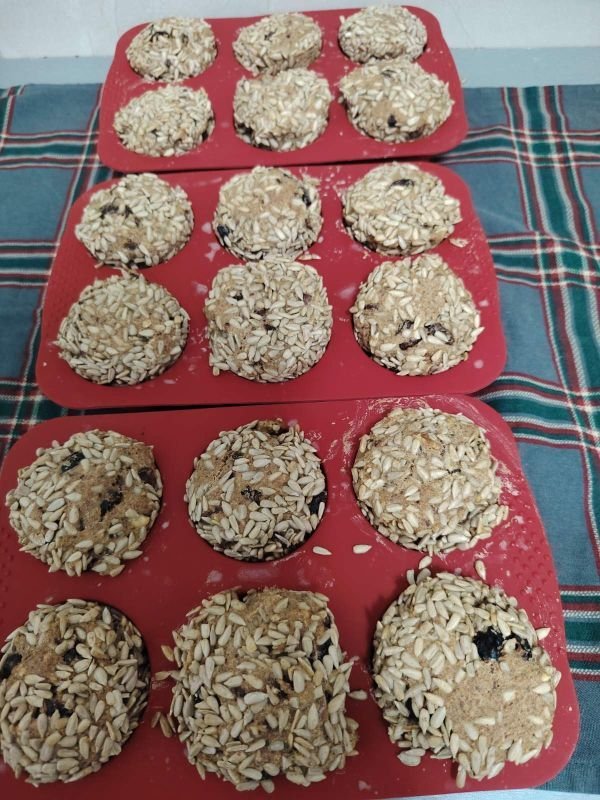
Let them cool a bit first. Then flip the pan and press up on the bottom of each cup. If one is stubborn, run a silicone or plastic spatula around the edge. That usually does it. I have no problem with my pans. Baked goods just pop out from them.
What Can You Bake in a Silicone Muffin Pan?
More than you’d think.
- Cupcakes: Yes. Do silicone muffin pans work for cupcakes? They do, and the shape stays neat. Frosting hides the lighter tops anyway.
- Egg bites: Yes. They pop right out, which makes them great for meal prep.
- Brownies or cornbread: Yes. Mini brownie bites and cornbread cups work well. Just grease lightly.
- Freezing batter or baked muffins: Yes. Freeze batter in the cups, then transfer to a bag. Or freeze finished muffins once cooled.
- Whole wheat muffins: I often bake wholewheat muffins with seeds and dried fruit. They are great for breakfast or for a quick bite on the go.
Temperature and Heat Questions
Let’s clear up the heat questions, because this is where people get nervous.
What temperature can a silicone muffin pan withstand? Most handle 400°F to 450°F. Some go higher, up to around 500°F. Always read your pan’s label.
Can silicone muffin pans go in a 450°F oven? Only if yours is rated for it. If it’s rated lower, don’t risk it.
Can silicone muffin pans go from freezer to oven? Usually yes. Silicone handles big temperature swings well. Still, check the manual, and let the pan sit out a few minutes for even baking.
Can I put a silicone muffin pan in the freezer? Absolutely. It stays flexible when cold, which is a big plus.
Are silicone muffin pans microwave safe? Yes, in general. They’re handy for quick egg cups.
Are silicone muffin pans air fryer safe? Usually, if the pan fits and the temperature stays under the limit. Make sure the pan doesn’t touch the heating element, and weigh down any liners so they don’t fly up.
How to Clean a Silicone Muffin Pan
Here’s the good news: cleaning is easy.
Dishwasher: Are silicone muffin pans dishwasher safe? Most are. Put the pan on the top rack to be safe.
By hand: Use warm water, dish soap, and a soft sponge. Rinse well.
Why Is My Silicone Muffin Pan Sticky After Washing?
That tacky feeling is usually a thin film of oil or soap that built up over time. Silicone grabs onto grease. Here’s the fix:
- Soak the pan in hot water with a strong degreasing soap.
- Scrub with a baking soda paste.
- Rinse well and dry with a clean towel.
How Do I Remove Stains or Odors?
Can I use baking soda to clean a silicone muffin pan? Yes, and it works great. Make a paste with water, rub it in, let it sit for 15 minutes, then rinse. For tough stains, set the pan in bright sunlight for a few hours. For smells, soak it in a mix of water and white vinegar.
Why Does My New Pan Smell?
Is a strong smell from a silicone muffin pan normal? A mild smell on a new pan is normal. It’s usually leftover from manufacturing. Wash it, then bake the empty pan at 350°F for about 15 to 20 minutes. The smell usually fades.
But if the smell is strong and never goes away, that may be a low quality pan. It would be a good idea to replace it.
Can I Use Metal Utensils on a Silicone Muffin Pan?
It’s best not to. Knives, forks, and sharp tools can cut or scratch the silicone, and a damaged pan can break down sooner. Stick to silicone, wood, or plastic tools instead. And skip cutting directly in the pan.
How Should I Store a Silicone Muffin Pan?
Storage is where silicone shines.
- Make sure it’s fully dry first
- Lay it flat, or hang it from a hook
- Don’t stack heavy pots on top
- Avoid sharp folds, which can leave creases
- Keep it away from sharp objects
How to Deal with Floppiness
Always put the pan on an oven rack. There are also muffin pans with metal frame available if you prefer this option.
Silicone Muffin Pan for Baking with Metal Frame (Amazon)
How Long Does a Silicone Muffin Pan Last?
With good care, a quality pan can last several years, and some people say 5 to 10. Signs it’s time to toss it include cracks, tears, a lasting sticky feel, or a smell that won’t go away.
Quick Tips Recap
- Always put it on a baking sheet
- Cool before removing muffins
- Check your pan’s temperature limit
- Skip sharp tools
- Do the pinch test when buying
Final Thoughts
A silicone muffin pan won’t replace every metal pan in your kitchen, and it doesn’t have to. For easy release, quick cleanup, and tidy storage, it’s hard to beat. Pick a good food grade one, and it’ll serve you well for years.
Give it a go this weekend. Your next batch of muffins might just come out perfect.

About the Author
Hi, I’m the creator of Two Tiny Spoons. I am a retired researcher who has spent over 10 years obsessing over cookware materials, food safety, and manufacturing standards. I don’t care about fancy recipes—I care about the science behind the tools we use. I independently vet every product to ensure it is non-toxic, durable, and truly worth your money.